
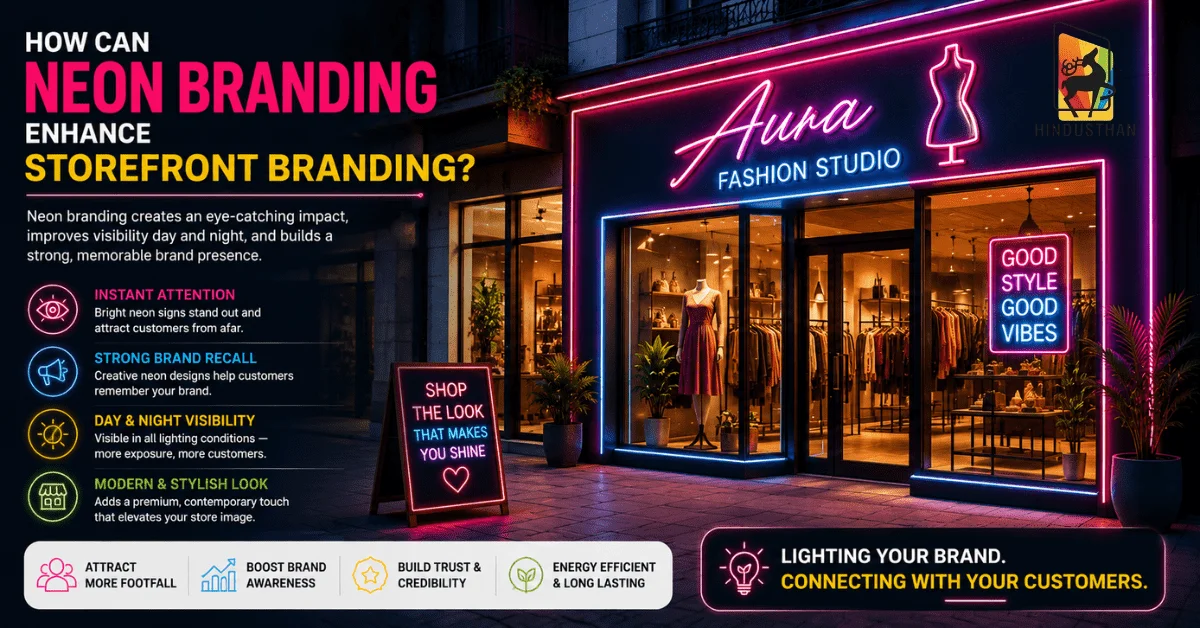
A storefront often creates the first impression of a business. Before customers enter a shop, restaurant, café, or showroom, they notice its exterior design, signage, lighting, and overall appearance. An eye-catching storefront can encourage people to stop, look, and remember the business.
Among the many signage options available today, neon branding has become a popular choice for businesses seeking to create a distinctive and memorable visual identity. Its combination of illumination and creative design helps storefronts remain noticeable throughout the day and well into the evening.
Why Storefront Visibility Matters
A visually appealing storefront does more than improve aesthetics. It helps businesses become easier to identify, strengthens brand recognition, and attracts the attention of passing pedestrians and motorists.
In busy commercial areas where multiple businesses compete for attention, effective signage can influence whether someone notices a store or simply walks past it.
Neon Branding Creates Immediate Visual Impact
Neon branding uses illuminated signage to make storefronts more noticeable, particularly during low-light conditions. Bright colours, clean lettering, and distinctive shapes naturally draw attention from a distance, making businesses easier to locate.
Unlike conventional signs that rely only on ambient lighting, illuminated branding continues to remain prominent after sunset, extending brand visibility beyond normal daylight hours.
Builds Stronger Brand Recognition
People often remember businesses with unique visual identities. A well-designed neon sign can become a recognisable feature of a storefront, helping customers associate specific colours, logos, or typography with the brand.
Consistent visual branding also improves familiarity among repeat visitors, making the business easier to recognise during future visits.
Supports Different Types of Businesses
Neon branding can be adapted to suit a wide variety of commercial spaces, including:
- Restaurants and cafés
- Fashion boutiques
- Beauty and wellness centres
- Retail stores
- Entertainment venues
- Jewellery showrooms
- Gaming lounges
- Hotels and hospitality businesses
Its flexibility allows businesses to create signage that reflects their individual style while maintaining clear visibility.
Improves Day and Evening Presence
One of the key advantages of illuminated signage is its ability to remain effective across different times of the day. During daylight, it complements the storefront’s overall design, while in the evening it becomes a prominent visual element that continues attracting attention.
For businesses operating after sunset, this extended visibility can help maintain customer awareness throughout business hours.
Enhances the Overall Customer Experience
Modern storefronts often combine architectural design, lighting, and signage to create a welcoming atmosphere. Neon branding can complement glass façades, premium materials, contemporary interiors, and decorative lighting to create a more engaging exterior.
A professionally designed storefront not only improves visibility but also communicates a sense of quality and attention to detail.
Factors to Consider Before Installing Neon Branding
Before selecting illuminated signage, businesses should evaluate several practical considerations:
- Sign placement
- Viewing distance
- Colour contrast
- Typography readability
- Lighting intensity
- Material durability
- Maintenance requirements
- Energy efficiency
Careful planning helps ensure the signage remains effective while complementing the overall appearance of the storefront.
Conclusion
Neon branding combines visibility, creativity, and design to make storefronts more noticeable and memorable. Its illuminated appearance helps businesses attract attention during both daytime and evening hours while reinforcing a consistent visual identity.
Rather than functioning solely as decorative lighting, neon branding serves as a practical branding solution that enhances customer recognition, strengthens storefront appeal, and creates a lasting impression through distinctive visual communication.